
Deficient midface
- Home
- Deficient midface
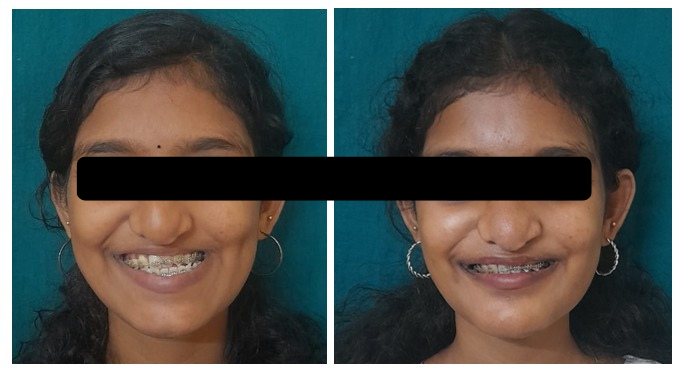
Deficient midface
Deficient midface is a facial condition in which the central portion of the face, particularly the upper jaw and cheekbone area, appears underdeveloped or positioned further back than normal. This condition can affect the overall balance and harmony of the face, often giving the appearance of a flattened or recessed middle facial region. Deficient midface may occur due to genetic factors, developmental conditions, or abnormalities in the growth of facial bones.
The need for surgery generally falls into two categories:
a. Function Related
Malaligned (misaligned) jaws can cause:
- Difficulty in chewing and speaking.
- TMJ problems (jaw joint pain).
- Disrupted sleep and breathing issues, such as sleep apnoea and snoring.
b. Cosmetic Concerns
Various skeletal deformities can affect overall aesthetic appearance, including:
- Facial Assymetry
- Sunken Midface
- Sunken upper lip line
- Upper Maxilla
c. Dental Issues
- Crowded Teeth
- Crossbite
- Malocclusion
Pre-Surgical Preparation
The notes outline several steps required before undergoing these surgeries:
- Pre-surgical Orthodontics: Often needed before the actual surgery takes place. Imaging: X-rays and CT scans are required.
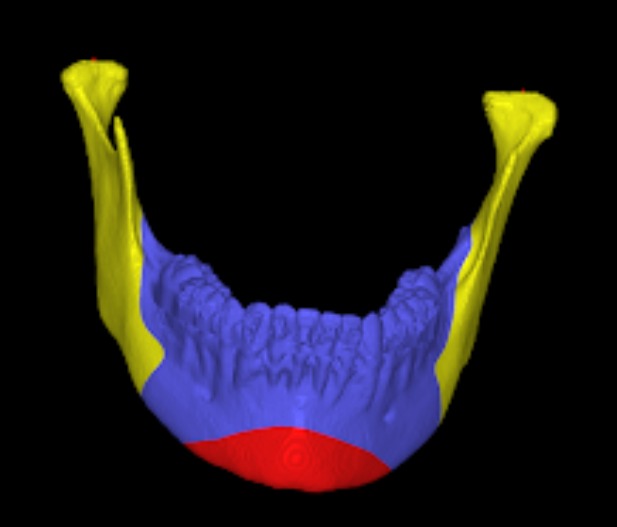
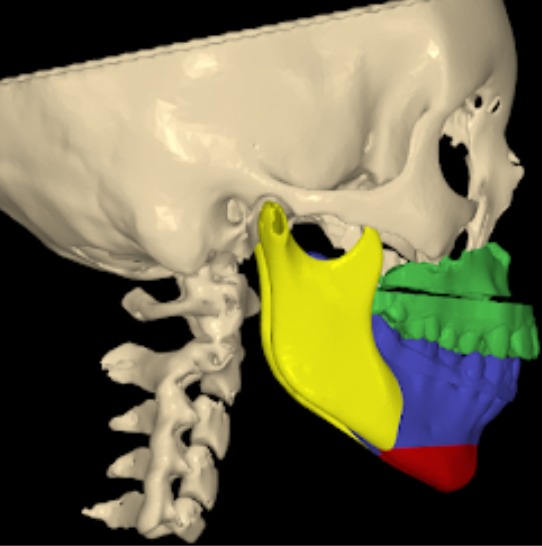
- Planning: Virtual surgical planning is performed on a computer, along with model surgery.
- Psychological Evaluation: Conducted to ensure a successful outcome for the patient.
Post-Surgical Recovery
- Hospital Stay: Typically lasts approximately 3-4 days.
- Discharge Criteria: Patients can be discharged once they can start taking soft food orally and can perform day-to-day activities by themselves.
"Transform Your Smile, Transform Your Life"
Our Happy Customers
Join thousands of happy patients who trust us for gentle, expert care and beautiful smiles. Your perfect dental experience starts here!
Abiram. K"Talented surgeon, a doctor one can approach, understanding the patient needs,and the results are amazingly wonderful. Thank you verymuch for what I am today."
Dony Antony"Quick and fast, clear and crystal procedures, explained everything in detailed. I would recommend this clinic and vouch for it."
Reeba Tony"Had crooked and bad teeth ... dentist did a superb job ... now teeth are straight ... smie is superb ... no more pain ... and teeth are very white ... best dentist in thrissur"
Beetha Ck"Thank you Dr.philip sir. Iam extremely satisfied with the results of my son's surgery.Now he look more beautiful than before"
Chikku Ab"One of the best maxillofacial surgeon, especially in the field of facial trauma. Explaining even finer details.thank you so much sir."
Ready to Book Your Appointment?
Contact us today to schedule your visit and take the first step toward a healthier smile.