
Deficient Chin
- Home
- Deficient Chin
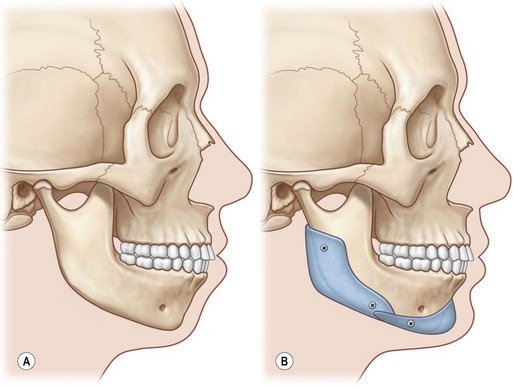
Deficient Chin
A deficient chin, also known as a recessed or underdeveloped chin, is a condition in which the chin appears smaller or positioned further back in relation to the rest of the facial structure. The chin plays an important role in defining the lower part of the face and maintaining facial balance. When the chin is underdeveloped, it can affect the harmony between the nose, lips, and jawline, sometimes giving the appearance of a weak facial profile.
The need for surgery generally falls into two categories:
a. Function Related
- Potential airway issues (e.g., sleep apnoea)
- Possible TMJ problems
b. Cosmetic Concerns
- Weak chin profile
- Facial imbalance or asymmetry
- Aesthetic concerns about jawline
Pre-Surgical Preparation
The notes outline several steps required before undergoing these surgeries:
- Pre-surgical Orthodontics: Often needed before the actual surgery takes place. Imaging: X-rays and CT scans are required.
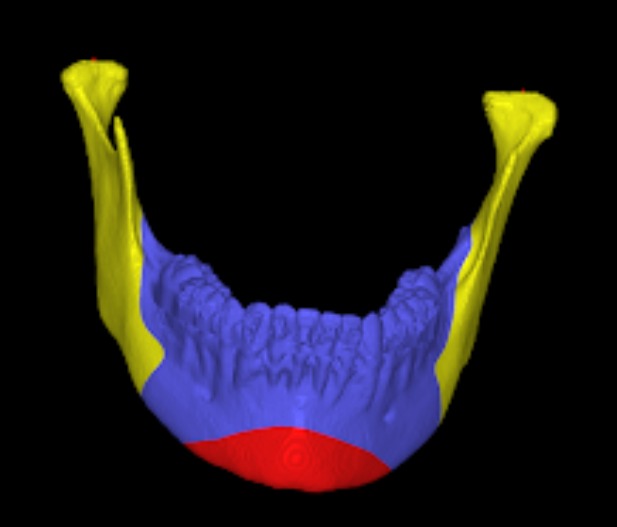
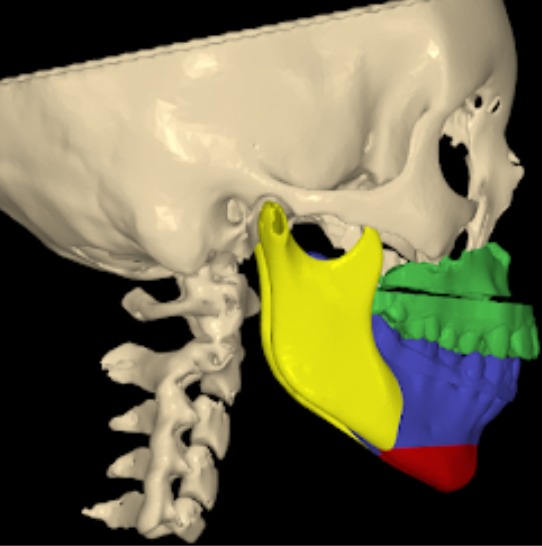
- Planning: Virtual surgical planning is performed on a computer, along with model surgery.
- Psychological Evaluation: Conducted to ensure a successful outcome for the patient.
Post-Surgical Recovery
- Hospital Stay: Typically lasts approximately 3-4 days.
- Discharge Criteria: Patients can be discharged once they can start taking soft food orally and can perform day-to-day activities by themselves.
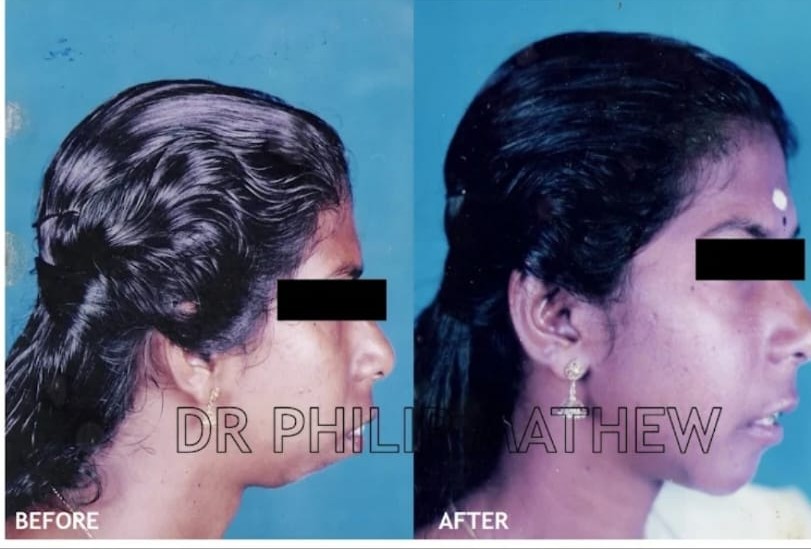
"Expert Care for a More Beautiful You"
Our Happy Customers
Join thousands of happy patients who trust us for gentle, expert care and beautiful smiles. Your perfect dental experience starts here!
Jinumol TJ"I had such a wonderful experience at the J.P dental clinic.l express my heartfull gratitude to the well experienced surgeon Doctor Philip mathew,and all his staff .They gave me a great support, and new face.l am fully satisfied with the result of my surgery.I had undergone a jaw correction surgery.one of the staffs who worked in the jubilee hospital suggested me doctor Philip mathew.And after the surgery I got an amazing result and it boosted my self confidence and I am fully satisfied with the treatment and I recommend him for any dental surgical issues.Thank you Once again 🙏🙏"
Shareef K"Jp clinic is great,i had undergone jaw surgery by dr philip mathew and team,now my facial appearence is more good than earlier, now i feel more confident than earlier."
Samcy Davis"Good place that you can trust"
Toffee Paul"Best oral surgeon for facial deformities. Well experienced with gifted hand from god. Caring as his own family member. Super doctor"
Arun Prakash"'Great experience. Excellent staff, highly knowledgeable and very friendly. Heritage dental and Dr. Philip Mathew are the best in India'"
Bismi Basheer"I had a wonderful experience with dr.philip mathew.iam familiar with his consultation for about many years.he had done 3 surgeries for me with proper care and iam fully satisfied with that💯 the last surgery which he had done to me is lefort and genioplasty , which changed my life fully and also how I wanted it... he always gives the mental support to our treatment,and also a best friend for their patients.my friends and family were really happy with the treatment.they liked how it turned to be ...And I sincerely recommend Dr Philip and his wife Dr jisha david as a best maxillofacial surgeon..thank you sir for your efforts🙏"
Ready to Book Your Appointment?
Contact us today to schedule your visit and take the first step toward a healthier smile.